The ideal TDS for drinking water is 50–150 mg/L. WHO rates water below 300 mg/L as “excellent” and generally considers anything under 1000 mg/L acceptable. India’s BIS standard (IS 10500:2012) sets 500 mg/L as the acceptable limit and 2000 mg/L as the permissible ceiling when no better source is available. Both very high and very low TDS carry downsides — high TDS affects taste and scaling; very low TDS strips beneficial minerals.
One of the most common questions people ask after buying a TDS meter is: “Is my water’s TDS actually safe to drink?” The answer depends on which standard you compare it against. This guide walks through the ideal TDS for drinking water according to WHO and BIS (IS 10500), and what the numbers mean for your health.
If you’re unfamiliar with what TDS in water actually means or how a TDS reading is measured, it’s worth understanding these basics before comparing WHO and BIS drinking water standards.
WHO Guidelines on TDS
WHO doesn’t set a strict enforceable “maximum” for TDS the way it does for individual contaminants, because TDS itself is an indicator rather than a direct health hazard. However, WHO guidance classifies water palatability by TDS level:
| TDS (mg/L) | WHO Palatability Rating |
| Less than 300 | Excellent |
| 300–600 | Good |
| 600–900 | Fair |
| 900–1200 | Poor |
| Above 1200 | Unacceptable |
WHO guidance treats water with TDS below 1000 mg/L as generally acceptable for drinking, though very high TDS can point to specific harmful contaminants that need separate testing.
BIS (IS 10500) Standards for India
India’s Bureau of Indian Standards sets more specific, enforceable limits under IS 10500:2012:
- Acceptable limit: 500 mg/L
- Permissible limit (in absence of alternate source): 2000 mg/L
Indian drinking water is ideally expected to stay at or below 500 mg/L TDS, with 2000 mg/L treated strictly as an upper ceiling when no better water source is available.
Why Do WHO and BIS Recommend Different TDS Levels?
Although WHO and BIS both provide guidance on drinking water quality, they serve different purposes. The World Health Organization (WHO) publishes international recommendations that help countries develop their own drinking water standards. Since TDS itself is not considered a direct health risk, WHO focuses primarily on the taste and acceptability of water rather than enforcing a universal maximum limit.
The Bureau of Indian Standards (BIS), however, establishes legally recognised standards specifically for India’s water supply. These limits consider local groundwater conditions, treatment infrastructure, and public health requirements. As a result, BIS specifies an acceptable limit of 500 mg/L and allows a permissible limit of 2000 mg/L only when no better source of drinking water is available.
In practice, if your drinking water falls within the BIS acceptable limit, it is generally considered safe for regular consumption. However, many water quality experts recommend maintaining a TDS level between 50–150 mg/L, as this range offers a good balance of mineral content, taste, and overall drinking experience.
What Happens If TDS Is Too High?
- Taste and odor: Water can taste salty, bitter, or metallic
- Scaling: Kettles, geysers, and RO membranes accumulate scale faster
- Possible contamination indicator: Very high TDS may signal nitrates, sulfates, or heavy metals that require targeted testing
What Happens If TDS Is Too Low?
Water that’s “too pure” (typically below 50 mg/L, often due to excessive RO purification) has its own drawbacks.
It tends to taste flat because most naturally occurring minerals have been removed. Water with very low TDS also lacks minerals such as calcium and magnesium, which contribute to both flavour and overall mineral balance.
For this reason, many modern RO purifiers include a remineralisation stage that restores essential minerals after purification. While drinking low-TDS water occasionally is not harmful, maintaining a moderate mineral balance generally provides a better taste and a more natural drinking experience.
Does the Ideal TDS Level Vary by Water Source?
Yes. The ideal TDS level can vary depending on where your water comes from, even though the recommended drinking range remains the same.
- Municipal tap water: Usually treated by local authorities and typically falls within BIS drinking water standards. In many cities, TDS levels range between 100–500 mg/L, depending on the source.
- Borewell water: Groundwater often contains higher levels of naturally dissolved minerals because it passes through layers of soil and rock. As a result, borewell water commonly has a higher TDS and may require treatment before drinking.
- RO purified water: Reverse Osmosis systems significantly reduce TDS by removing dissolved salts and impurities. However, excessive purification can lower TDS below the ideal range, which is why many RO systems now include mineral cartridges to improve both taste and mineral content.
- Packaged drinking water: Most packaged drinking water undergoes purification and is processed to meet applicable regulatory standards. Many brands maintain a balanced TDS level to provide a pleasant taste, although the exact TDS can vary between products.
Rather than comparing your reading with someone else’s, it’s more important to ensure your water falls within the recommended range for your source and has been tested for any specific contaminants if required.
How Do I Know the Best TDS Level for My Water?
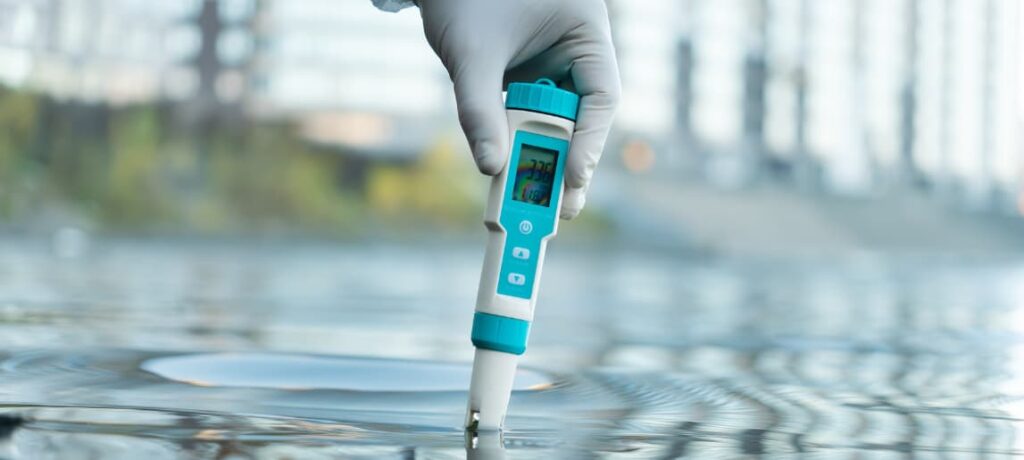
The only way to know whether your drinking water falls within the recommended range is to measure its TDS using a reliable TDS meter. A handheld TDS meter provides a quick reading in seconds and is suitable for routine household checks.
If you’re using borewell water, have recently installed an RO purifier, or notice a sudden change in the taste of your water, testing the TDS can help you determine whether further water quality testing or treatment may be needed.
Conclusion
Understanding the ideal TDS level for drinking water is about more than choosing the lowest number. While a TDS range of 50–150 mg/L is generally considered ideal for everyday drinking, water with a TDS of up to 500 mg/L is acceptable under BIS standards and remains safe for regular consumption.
The key is to remember that TDS is only one indicator of water quality. It measures the total concentration of dissolved substances but does not identify exactly what those substances are. Testing your water source and choosing the appropriate treatment method can help maintain better taste, protect household appliances from scale buildup, and ensure your drinking water remains within the recommended TDS range.
Frequently Asked Questions
What is the ideal TDS level for drinking water?
Most water quality experts consider 50–150 mg/L the ideal range, with up to 500 mg/L (the BIS acceptable limit) still considered safe.
What is the WHO limit for TDS in drinking water?
WHO doesn’t set a strict enforceable maximum, but classifies water below 300 mg/L as excellent and generally treats anything under 1000 mg/L as acceptable.
What is the BIS limit for TDS in drinking water in India?
Under IS 10500:2012, the acceptable limit is 500 mg/L, with a permissible ceiling of 2000 mg/L when no better source is available.
Is a TDS of 500 safe to drink?
Yes — 500 mg/L sits right at the BIS acceptable limit and is generally considered safe, though it may carry a slightly more noticeable mineral taste than water in the 50–150 mg/L range.
Can TDS be too low in drinking water?
Yes. Water below 50 mg/L is often over-purified, tastes flat, and lacks beneficial minerals like calcium and magnesium unless it has been remineralized.